Variants
Single-button interfaces for simple acknowledgement actions — press to confirm a cleaning task, log an event, or signal an issue.
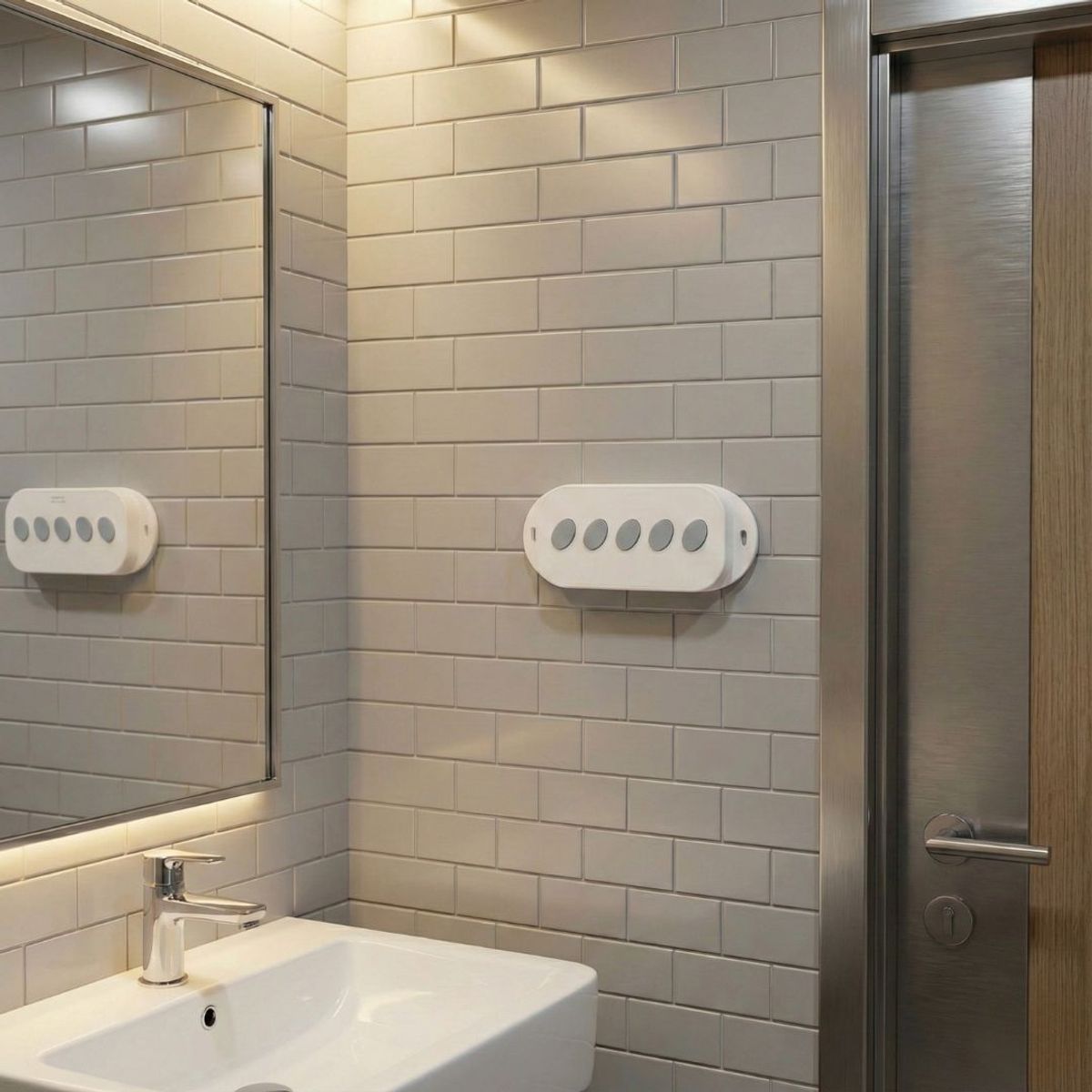
Multi-button configurations allow different response options from a single device, such as rating cleanliness levels or selecting from predefined status updates.
Wall-mounted options provide permanent placement at task stations, while portable battery-powered buttons can be repositioned as workflows change.
Why It Matters
Many operational signals still depend on human input. Button sensors bridge the gap between fully automated IoT monitoring and manual processes, capturing real-world events without requiring apps, tablets, or paperwork.
Simple one-press interactions drive higher adoption rates among frontline staff compared to app-based solutions. When the barrier to input is low, data capture becomes consistent and reliable.
Button events create time-stamped records that feed into dashboards and alerts, turning subjective tasks like "was the restroom cleaned?" into trackable, accountable data points.
Use Cases
Restroom cleanliness feedback — guests or staff press a button to rate or confirm cleaning status, triggering service workflows when needed.
Task acknowledgement — staff confirm completion of checklists, safety checks, or corrective actions with a single press.
Event logging — capture manual events like deliveries received, equipment issues reported, or shift handoffs completed.
Emergency or escalation signals — dedicated buttons for immediate alerts when conditions require rapid response.
Limitations
Button sensors require human interaction — they won't capture events that happen when nobody is present. Data quality depends entirely on consistent staff or guest participation.
Process adoption is critical. Without clear signage, training, and accountability, button usage may decline over time. Best results come from integrating button actions into existing workflows rather than creating new steps.