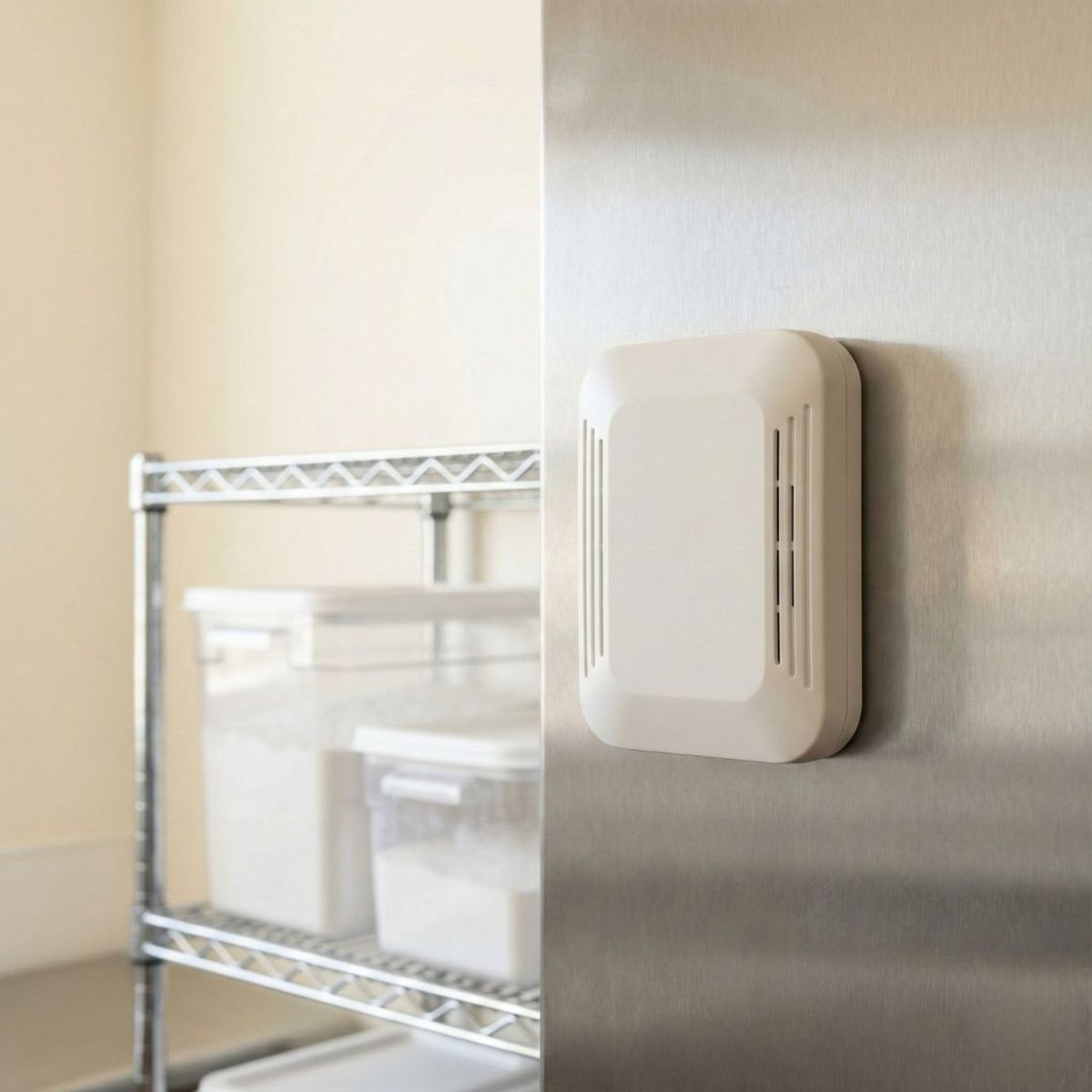
Variants
Multi-sensor configurations measure CO₂, volatile organic compounds (VOCs), and particulate matter simultaneously from a single device.
Fixed indoor deployments mount to walls or ceilings in kitchens, dining rooms, or workspaces. Placement near ventilation intakes or cooking stations provides the most actionable readings.
Compact form factors fit tight spaces, while industrial-rated options handle high-heat or high-grease environments typical of commercial kitchens.
Why It Matters
Poor indoor air quality directly impacts worker safety, guest comfort, and regulatory compliance. CO₂ buildup causes fatigue and impaired focus, while elevated VOCs indicate ventilation failures or chemical exposure risks.
Continuous monitoring replaces spot-checks with trend data, making it easy to correlate air quality events with equipment cycles, occupancy patterns, or maintenance schedules.
Time-stamped records support OSHA documentation requirements and help demonstrate proactive environmental management during health inspections.
Use Cases
Kitchen air quality monitoring — track CO₂ and VOC levels around fryers, grills, and ovens to ensure ventilation is keeping up with cooking activity.
Workplace comfort and safety — monitor CO₂ in offices, prep areas, and back-of-house spaces where poor air flow affects worker alertness and health.
Ventilation validation — confirm that HVAC systems are delivering adequate air exchanges, especially after equipment changes or maintenance.
Guest experience management — detect air quality dips in dining areas before they become noticeable to customers.
Limitations
Air quality sensors measure ambient conditions — they do not replace ventilation systems or air filtration equipment. Readings inform decisions but don't fix airflow problems directly.
Sensor placement strongly affects accuracy. Readings near doorways, vents, or direct cooking heat may not reflect overall room conditions. Optimal placement is determined during installation based on room layout and airflow patterns.