Variants
Cellular GPS trackers provide real-time location updates during transit, combining GPS positioning with cellular data transmission for continuous visibility.
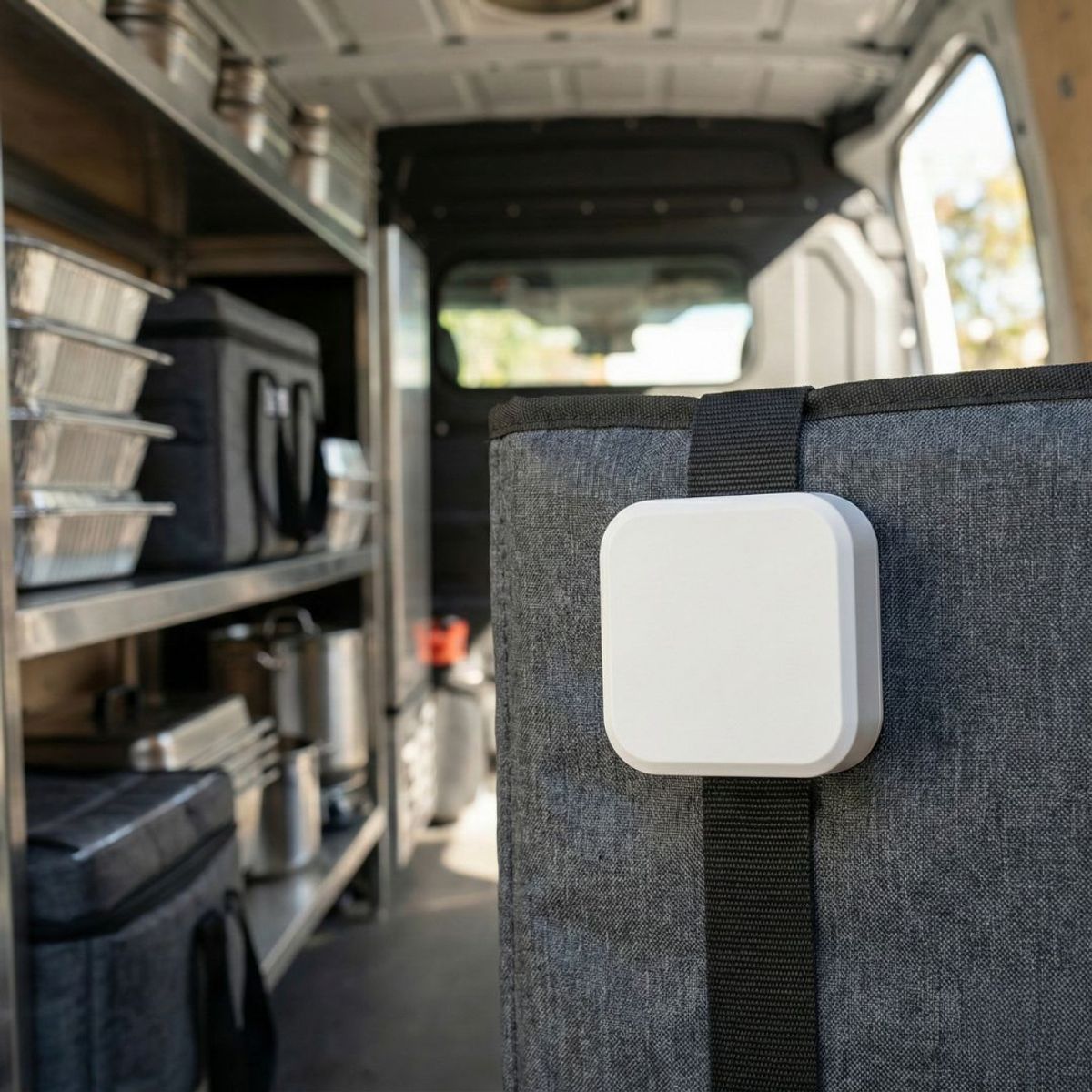
Battery-powered mobile units attach to delivery containers, pallets, or vehicle interiors without requiring hardwired installation, making them easy to deploy across changing routes and vehicles.
Multi-sensor configurations pair GPS location with temperature monitoring, creating a complete cold chain record that documents both where a shipment was and what conditions it experienced.
Why It Matters
Supply chain visibility gaps between warehouse departure and delivery arrival create accountability blind spots. GPS tracking provides a continuous record of where shipments are and how long each leg takes.
When paired with temperature sensors, location data answers not just "did the temperature spike?" but "where was the truck when it happened?" — enabling targeted root cause investigation and carrier accountability.
Time-stamped location logs support chain-of-custody documentation for food safety audits and regulatory compliance, proving that products were transported through approved routes and facilities.
Use Cases
In-transit cold chain monitoring — track temperature and location simultaneously during delivery runs to ensure products arrive within spec.
Delivery route optimization — analyze actual routes, stop durations, and timing to identify efficiency improvements.
Asset tracking — monitor the location of reusable containers, coolers, and equipment as they move between facilities.
Limitations
GPS accuracy depends on satellite visibility — signal quality may degrade inside buildings, underground parking, or dense urban canyons. Cellular coverage gaps in rural areas can delay location updates.
Battery life varies with reporting frequency. More frequent location updates provide better visibility but reduce battery life. Deployment planning should balance update frequency with expected trip duration.