Variants
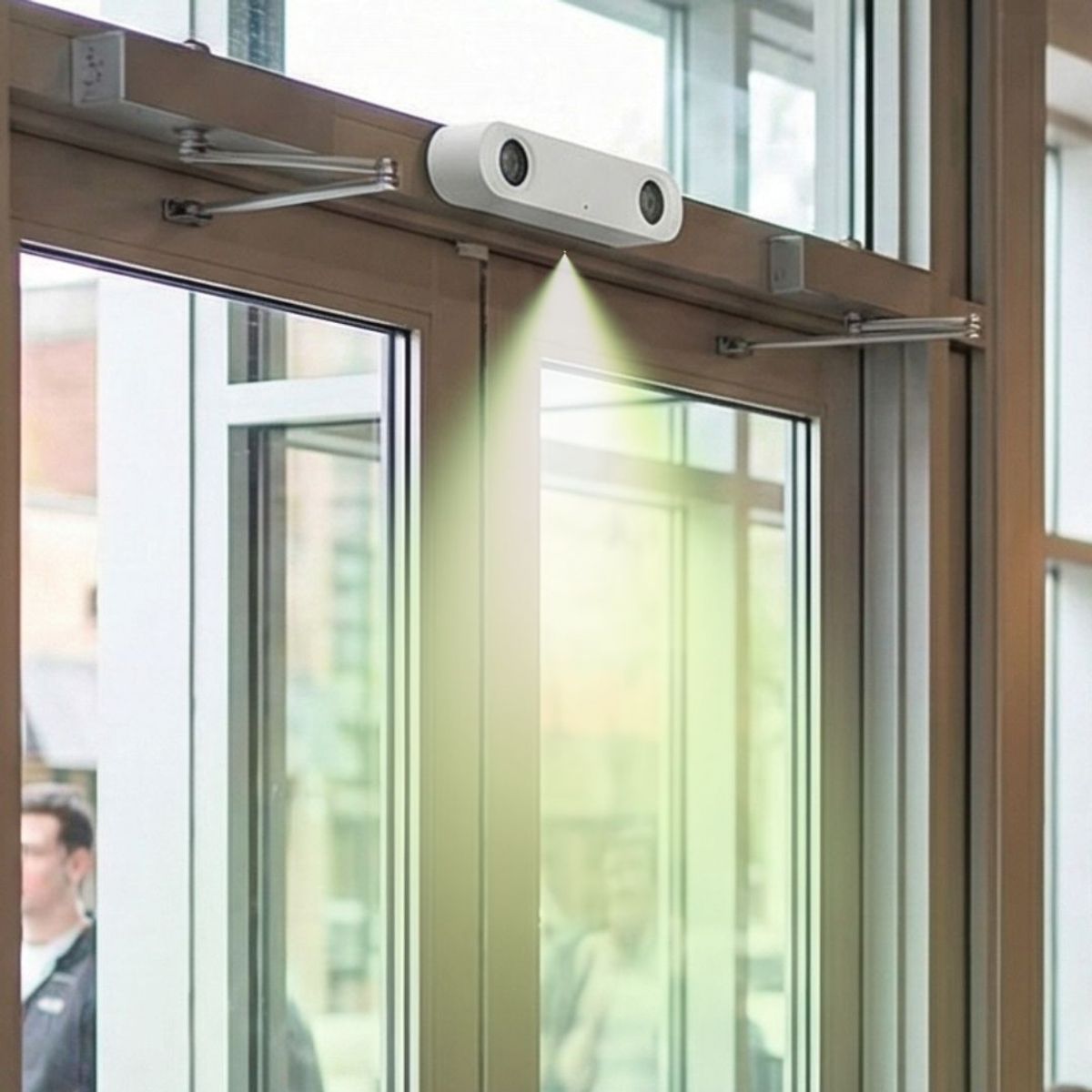
Room-level presence detection identifies whether a space is occupied or vacant, ideal for restrooms, storage rooms, and single-purpose areas where binary status is sufficient.
Zone-level people counting tracks the number of occupants entering and exiting an area, providing traffic volume data for dining rooms, kitchens, and multi-use spaces.
Different sensing technologies — passive infrared (PIR), thermal, and beam-break — are selected based on the space layout, ceiling height, and traffic patterns of each deployment.
Why It Matters
Occupancy data transforms reactive operations into proactive ones. Instead of cleaning restrooms on fixed schedules, teams service them based on actual traffic — ensuring high-use restrooms get more attention while low-use ones don't waste labor.
Real-time people counting helps managers match staffing to actual demand. Knowing when dining rooms peak, when kitchens get congested, and when back-of-house areas are empty enables smarter shift planning.
Historical traffic patterns reveal trends that aren't obvious from daily experience — like which day of the week has the highest restroom traffic, or which hours see the most kitchen congestion.
Use Cases
Restroom service optimization — trigger cleaning workflows based on actual usage instead of fixed schedules, improving guest experience while optimizing labor.
Dining room capacity management — track real-time occupancy to manage seating flow, maintain compliance with capacity limits, and plan staffing.
Kitchen traffic analysis — monitor back-of-house congestion to improve workflow layout and identify peak-time bottlenecks.
Space utilization — understand how meeting rooms, break areas, and storage spaces are actually used to inform facility planning decisions.
Limitations
Occupancy sensors detect presence and movement — they do not identify specific individuals. They cannot distinguish between staff and guests or track individual people across spaces.
Counting accuracy depends on installation factors including mounting height, angle, doorway width, and traffic speed. High-traffic doorways where multiple people pass simultaneously may require calibration or multi-sensor configurations for accurate counts.