The Importance of Cool Down Logs in Food Safety: Challenges and Solutions
In the fast-paced world of foodservice, maintaining food safety is an ongoing challenge. One of the critical processes that must be closely managed is the...
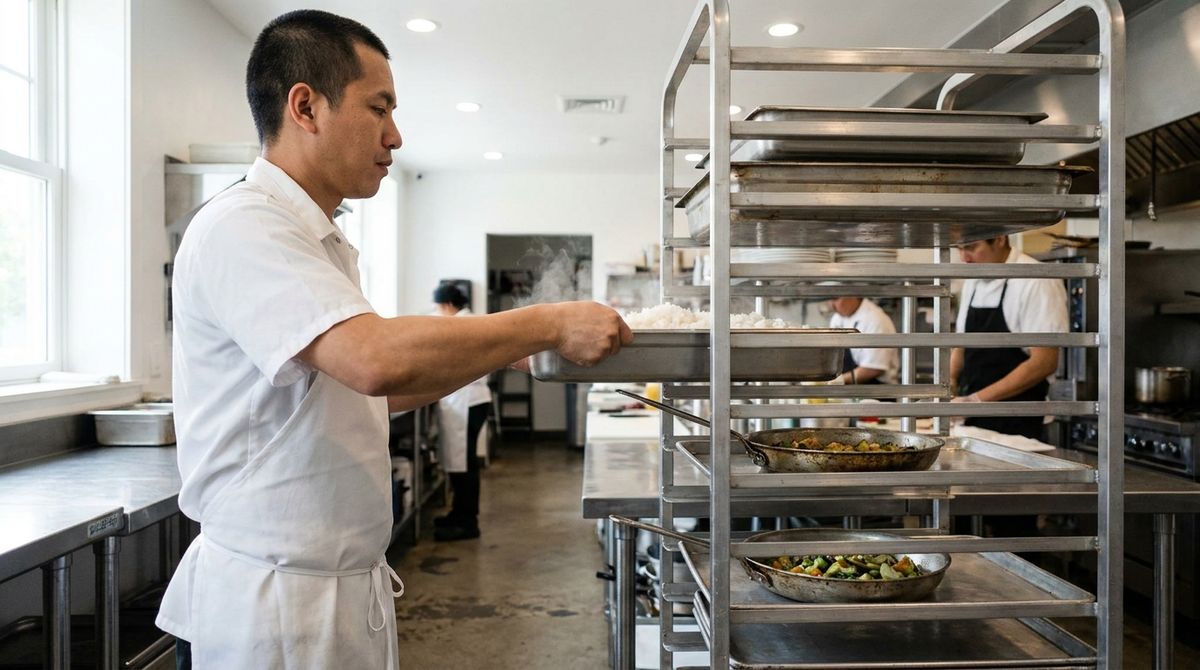
In the fast-paced world of foodservice, maintaining food safety is an ongoing challenge. One of the critical processes that must be closely managed is the cooling of cooked food - an essential step in preventing the growth of harmful bacteria. This is where cool down logs come into play. For anyone in foodservice, understanding what cool down logs are, why they matter, and how technology can simplify this process is key to ensuring both compliance and quality.
What Are Cool Down Logs?
Cool down logs are records used to track the temperature of cooked food as it cools down through the danger zone - a temperature range between 135°F and 41°F. The goal is to make sure food moves through this temperature range quickly enough to prevent bacterial growth, which can lead to foodborne illnesses. Typically, food should be cooled from 135°F to 70°F within 2 hours and from 70°F to 41°F within an additional 4 hours.
Traditionally, the process of logging these cool-down sessions involves manual temperature checks every 15-30 minutes for several hours. These checks are typically done by kitchen staff using a thermometer, and the results are logged manually. This labor-intensive process is prone to human error, inconsistencies, and sometimes, missed checks altogether during busy shifts.
The Challenges of Manual Cool Down Logs
- Labor-Intensive Process: Staff are required to repeatedly check temperatures during a six-hour cool-down period, which can divert their attention from other critical tasks.
- Human Error: Manual checks are prone to errors, whether from incorrect readings, forgetting to log, or recording the wrong temperatures.
- Regulatory Compliance Risks: Inaccurate or missing cool down logs can lead to regulatory non-compliance, health violations, and even fines. Maintaining accurate logs is not only about ensuring safety but also meeting local and federal health department standards.
- High Costs of Failure: Failing to cool food properly can result in spoilage or the risk of serving unsafe food, potentially causing foodborne illness outbreaks, reputational damage, and costly waste.
The Importance of Proper Cool Down Logging
Properly cooling food is not just a regulatory requirement; it's also about protecting the health of customers and maintaining the integrity of a brand. Cool down logs provide an auditable record that verifies that all food has been cooled safely. Ensuring this process is done correctly prevents harmful bacteria, such as Clostridium perfringens and Bacillus cereus, from multiplying to dangerous levels.
Accurate cool down logs are essential for:
- Meeting Food Safety Standards: Proper logs ensure compliance with FDA and local health department standards.
- Preventing Foodborne Illness: By ensuring food is cooled safely, restaurants can minimize the risk of contamination and protect customers' health.
- Reducing Waste: Foods that aren’t properly cooled often need to be discarded, which leads to unnecessary waste and increased costs.
ConnectedFresh: Automating Cool Down Logs
Recognizing the challenges faced by foodservice operators, ConnectedFresh has developed an innovative solution to automate the entire cool down logging process. By leveraging IoT-driven sensors, ConnectedFresh’s Automated Cool Down Logs system simplifies temperature monitoring, allowing foodservice operators to focus on more value-added tasks.
Key Benefits of ConnectedFresh's Solution:
- Real-Time Monitoring and Alerts: IoT sensors are placed on or near the cooling food, automatically capturing temperature data in real-time. If temperatures are not dropping at the expected rate, the system generates automated alerts, enabling the team to act quickly and correct any issues.
- Elimination of Manual Checks: Staff no longer need to manually measure and log temperatures every 15-30 minutes. Instead, the system records this data automatically, saving time and reducing the risk of human error.
- Regulatory Compliance Made Easy: The automated logs are stored digitally, providing an easily accessible record for regulatory audits. This allows operators to confidently demonstrate compliance with food safety standards, ensuring smooth health inspections.
- Improved Operational Efficiency: By automating this critical task, operators save significant labor hours, allowing staff to focus on customer service or other kitchen duties.
Why Automate Cool Down Logs?
Manual cool down logs can be an overwhelming task, especially for growing restaurant brands with multiple locations. In contrast, automated cool down logs not only streamline the process but also ensure accuracy and safety across the board. Consider the following advantages:
- Scalability: Automated solutions are especially important for growing brands. Manual logs may be manageable at one or two locations but quickly become unmanageable across dozens or hundreds of sites.
- Actionable Insights: ConnectedFresh's system doesn’t just log data - it provides insights. For instance, if cooling times are repeatedly problematic in a certain cooler, operators can use that data to preemptively service equipment or change cooling practices.
- Peace of Mind: Knowing that the cooling process is automatically monitored means that operators and kitchen staff can have peace of mind. There’s no second-guessing whether logs were done properly or if a step was missed during a hectic shift.
A Real-World Example: Luna Grill's Success
One of ConnectedFresh’s customers, Luna Grill, a Mediterranean fast-casual chain, experienced firsthand the impact of automating their cool down logs. Previously, their staff had to spend 20 minutes per cooled ingredient logging temperature changes, a process that took hours across all locations and left room for errors. By implementing ConnectedFresh's Automated Cool Down Logs, Luna Grill:
- Reduced Monitoring Time by 75%: What used to take 20 minutes now takes less than 5 minutes, saving thousands of hours across all their locations.
- Improved Compliance and Reduced Risk: Real-time alerts meant that any deviations in cooling were immediately addressed, helping them avoid potential compliance issues and ensuring their food remained safe.
- Enhanced Efficiency: Staff were able to redirect their time from logging temperatures to providing a better customer experience.
Conclusion: Elevate Your Food Safety with ConnectedFresh
Automating cool down logs is an important step for any foodservice operator looking to improve safety, ensure compliance, and boost efficiency. With ConnectedFresh's Automated Cool Down Logs, restaurant operators can eliminate the labor-intensive nature of manual logging, prevent costly mistakes, and focus on what matters most - delivering exceptional food quality to their customers.
Ready to make the move towards automated food safety processes? Contact ConnectedFresh today to learn how our solutions can help you stay compliant, save time, and protect your customers' health.
Get Started with ConnectedFresh
Take the first step towards smarter, safer operations. Reach out to us to discover how automated cool down logs can revolutionize your kitchen and give you the peace of mind you deserve.
Get the monthly cold-chain briefing
One email a month — food safety trends, compliance changes, and operator playbooks. No spam, ever.